






In cases where alcohol consumption is suspected as the cause, doctors alcoholic ketoacidosis smell will consider this information alongside clinical symptoms. Conditions like diabetic ketoacidosis or liver disease can lead to unusual body odors. Additionally, certain dietary choices and medications can also contribute to this phenomenon. Individuals with alcoholic ketoacidosis may also experience symptoms similar to those of alcohol withdrawal or acute pancreatitis, such as tremors, seizures, and fever.
- Harder liquors and spirits tend to have a sharper scent, and their higher alcohol content contributes to more pronounced bad breath due to increased acetaldehyde levels in the body.
- Alcoholic ketoacidosis is a metabolic condition resulting from excessive alcohol consumption.
- In summary, AKA occurs due to the impaired metabolism of alcohol in the liver, leading to insulin deficiency, increased lipolysis, and the production of ketone bodies.
- A blood alcohol test might be performed to determine the presence and amount of alcohol in your blood.
Liver Disease
Diabetes happens when your blood glucose (blood sugar), a key energy source from food, is too high. Normally, glucose gets into your cells thanks to a hormone from the pancreas called insulin. With diabetes, your body doesn’t make enough, or any, insulin or doesn’t use it well. Foods like onions or garlic or poor dental habits cause a strong odor in your mouth, which often gets better with simple lifestyle changes. But sometimes, bad breath is more complex and the symptom of a serious health condition. However, it’s worth noting that someone’s breath isn’t the only thing that can smell like alcohol.
- The only way to get rid of the smell altogether is to stop drinking which might not be a possibility without treatment.
- However, this is not specific to individuals with diabetes and can affect anyone who does not practice good hygiene habits.
- It’s possible for others to detect alcohol on someone’s breath or clothing if you’ve consumed a moderate to a high amount of alcohol.
Recognizing the Signs of Alcoholic Ketoacidosis
Similarly, alcoholism can also lead to ketoacidosis because excessive alcohol intake can cause the body to stop producing glucose, which forces it to break down fats for energy. This process produces high levels of ketones, which can lead to ketoacidosis and cause breath that smells like alcohol. Alcoholic ketoacidosis is a metabolic condition resulting from excessive alcohol consumption. Binge drinking affects the body in complicated ways and can prohibit organs from performing their necessary functions. Alcoholic ketoacidosis can be painful, dangerous and even fatal, often requiring a visit to an emergency room or intensive care unit for recovery. Diabetics may smell like alcohol due to the production of ketones when insulin levels are low.
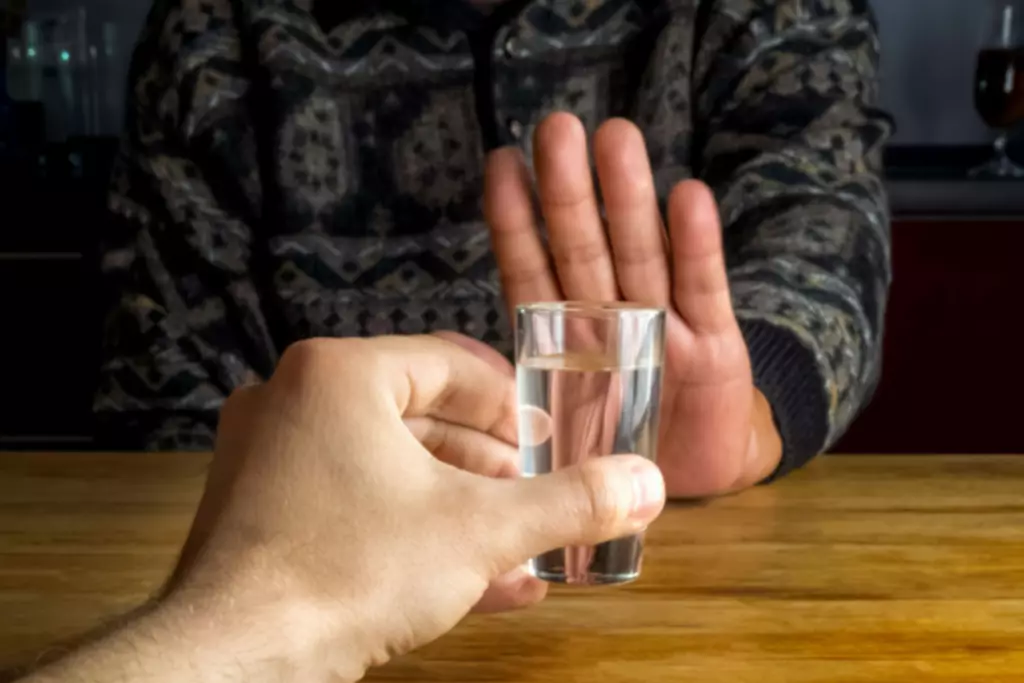
What Does Alcoholic Ketoacidosis Smell Like?

There could be several reasons why someone might smell like alcohol even if they haven’t been drinking. Firstly, it is important to note that alcohol has a distinct smell that can linger for a long time. So, even if the person had consumed alcohol hours before, their breath or clothing may still give off a strong smell of alcohol. Understanding the implications of alcohol sweat is vital for your health and well-being. When you drink alcohol, your body processes it and creates substances like diacetic acid, which contributes to that distinctive vinegar-like smell in your sweat. This distinct alcohol sweat can often lead to increased body odor, especially if you have poor hygiene.
- This irritation can cause an increase in gastric acid in the stomach, which may contribute to the cheese-like odour.
- When liver function is compromised, toxins may build up in the bloodstream and lead to unusual odors emanating from the skin or breath.
- At lively gatherings like parties or festivals, you’re likely to encounter a mix of alcoholic body odors as friends and strangers indulge in drinks.
- Some may feel empathy for those struggling, thinking about how they might need support, perhaps even from a rehabilitation center.
- Our expertise and compassionate approach aim to provide you with the support and guidance necessary to regain control over your health and well-being.
- AKA results from the accumulation of the hydroxybutyric acid, acetoacetic acid (true ketoacid), and acetone.
Yes, but the underlying cause is usually linked to ketosis or diabetic ketoacidosis rather than alcohol consumption. The key to preventing this issue is good diabetes management, including monitoring blood sugar, staying hydrated, and maintaining a balanced diet. Diabetics may sometimes have a smell resembling alcohol what is alcoholism on their breath due to a condition called diabetic ketoacidosis (DKA). This occurs when the body lacks enough insulin and starts breaking down fats for energy, producing chemicals called ketones, which have a fruity, alcohol-like odor. Alcoholic ketoacidosis often presents with a distinct fruity smell in the breath.

Comparison with Diabetic Ketoacidosis

Understanding these physical manifestations of alcohol abuse can help raise awareness and provide opportunities for early intervention and support for those affected. Yes, an alcohol-like smell can indicate diabetic ketoacidosis (DKA), which is a medical emergency. Anyone experiencing this symptom should seek medical attention immediately to avoid further complications. If you chronically abuse alcohol, you probably don’t get as much nutrition as your body needs. Going on a drinking binge when your body is in a malnourished state may cause abdominal pain, nausea, or vomiting.